Lightbox
The Lightbox
A portable light for awkward spaces
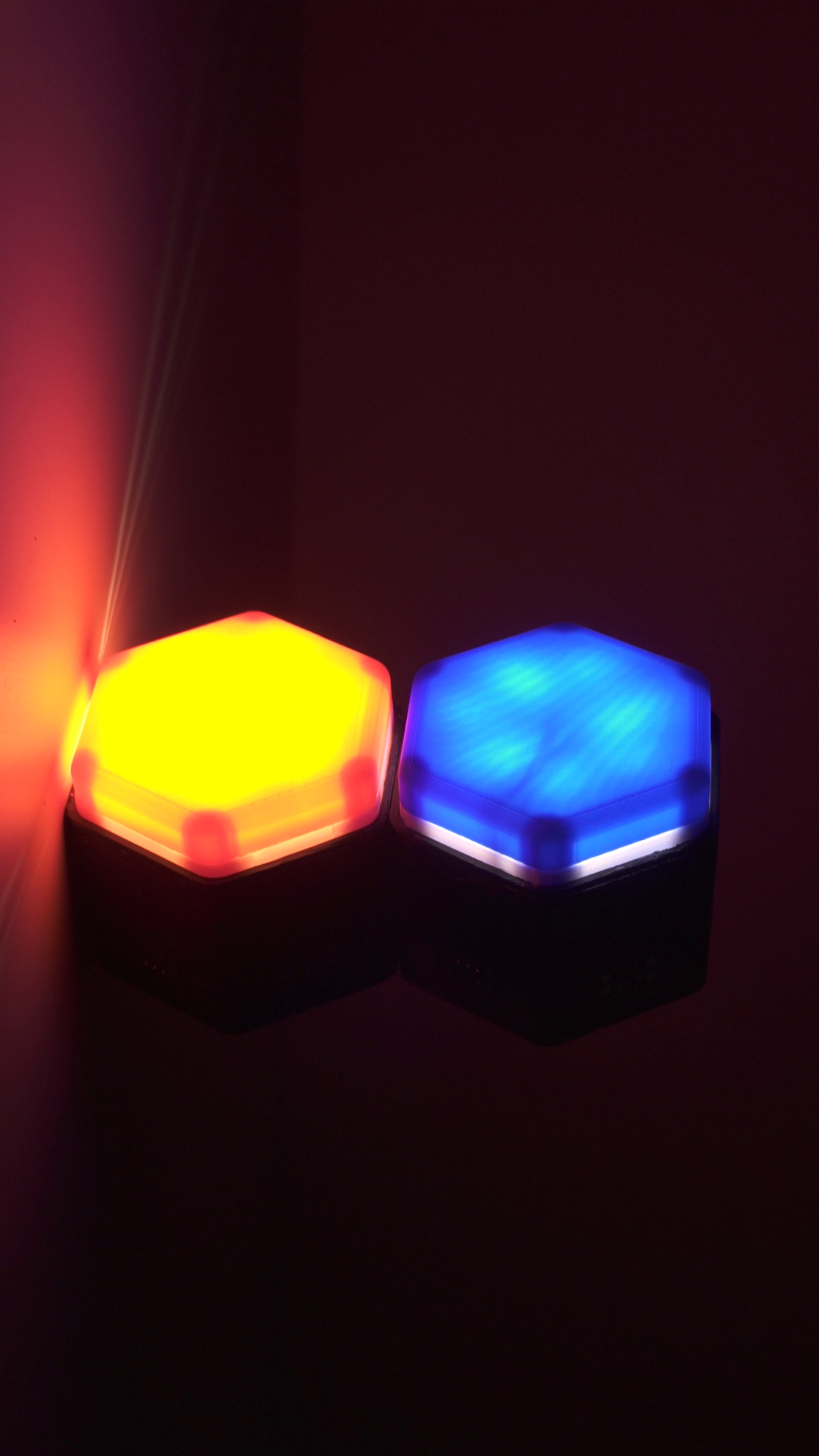
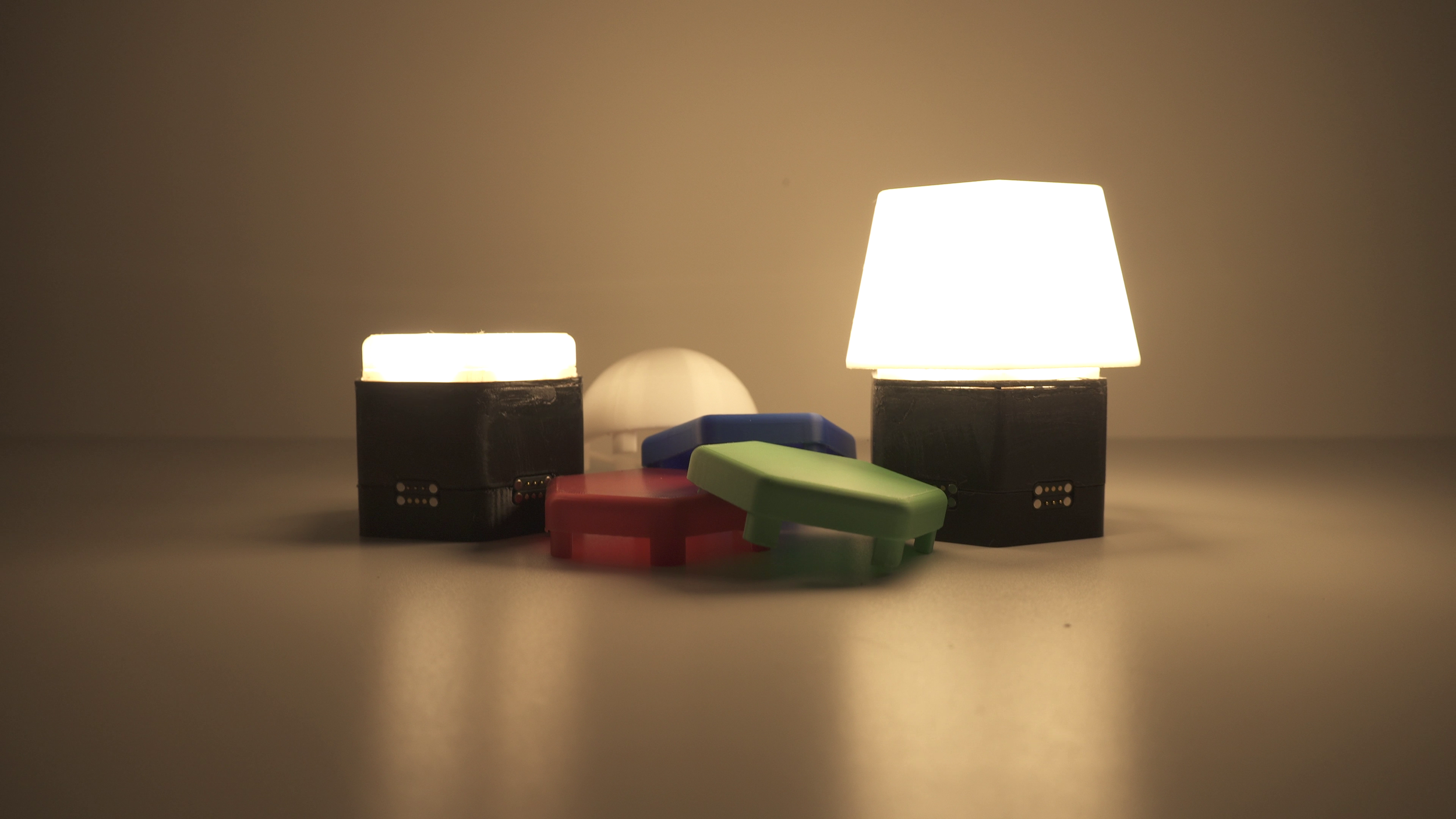
A small, modular lightbox that be affixed to a variety of surfaces to provide temporary light while keeping hands free. Each box can be used alone or connected together to make an array.
Sometimes, your phone flashlight doesn’t cut it
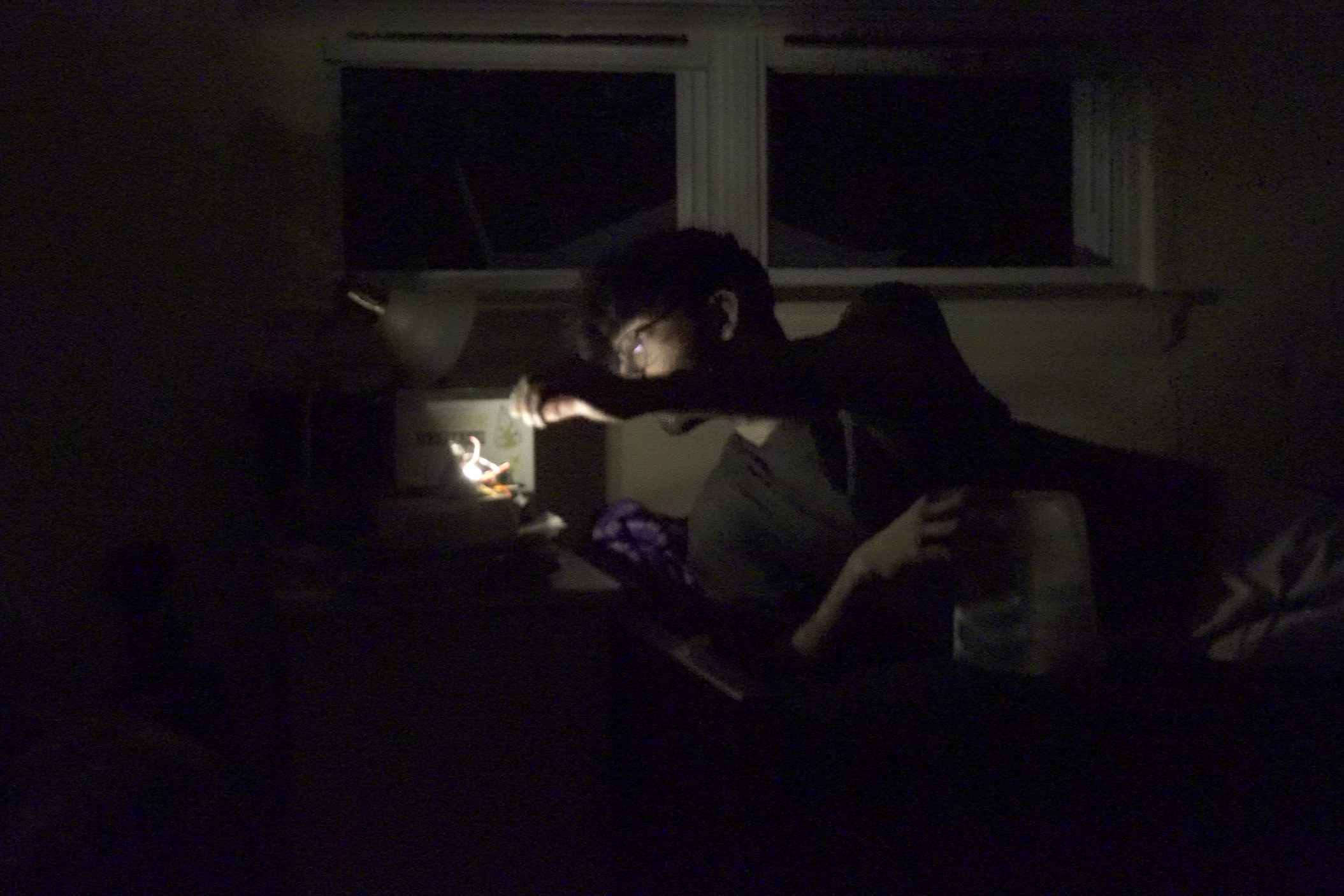
Whether conserving battery during a blackout or working in the garage with both hands, I found myself struggling to get the light I needed where I needed it.
Proofs of Concept
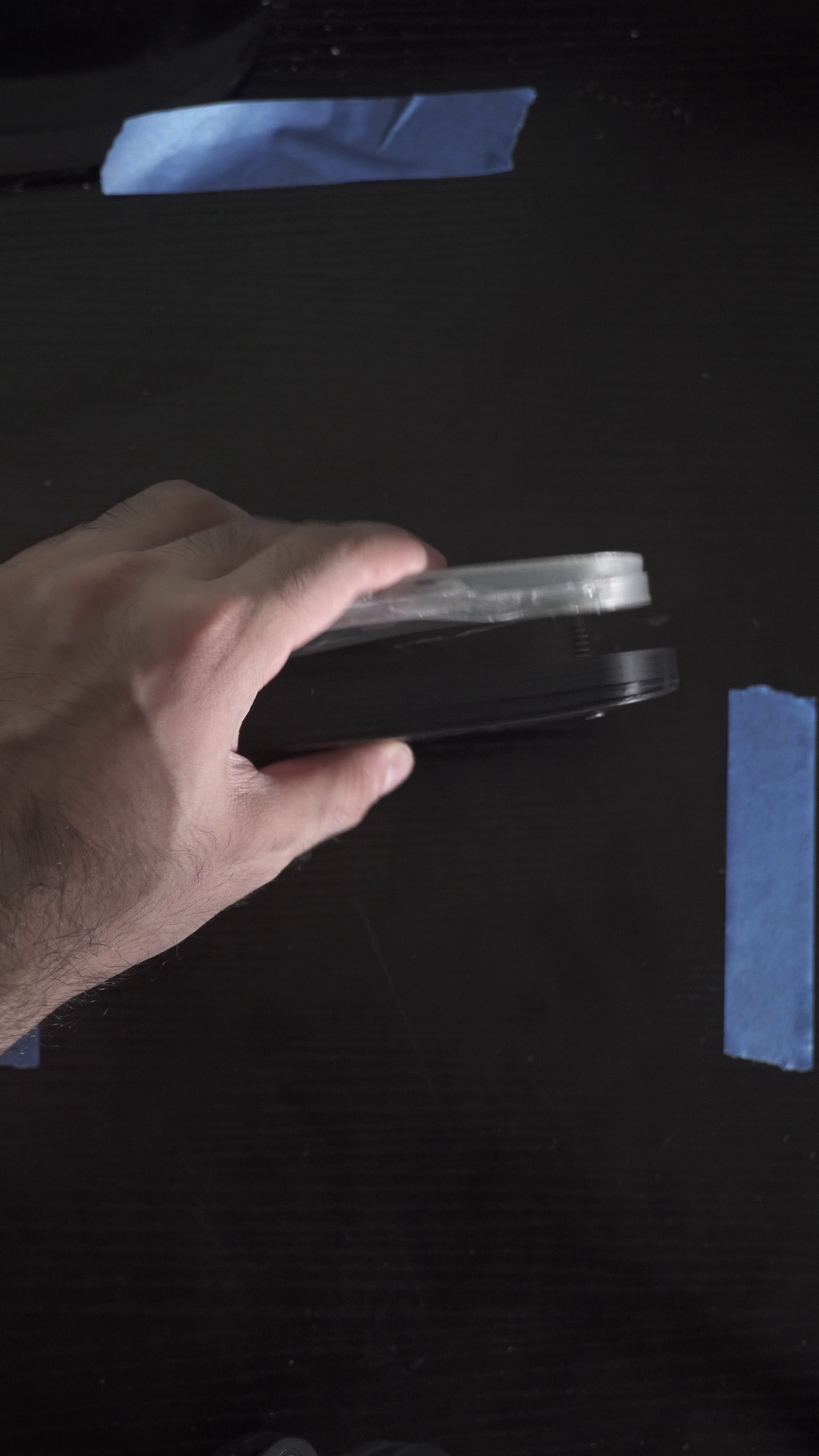
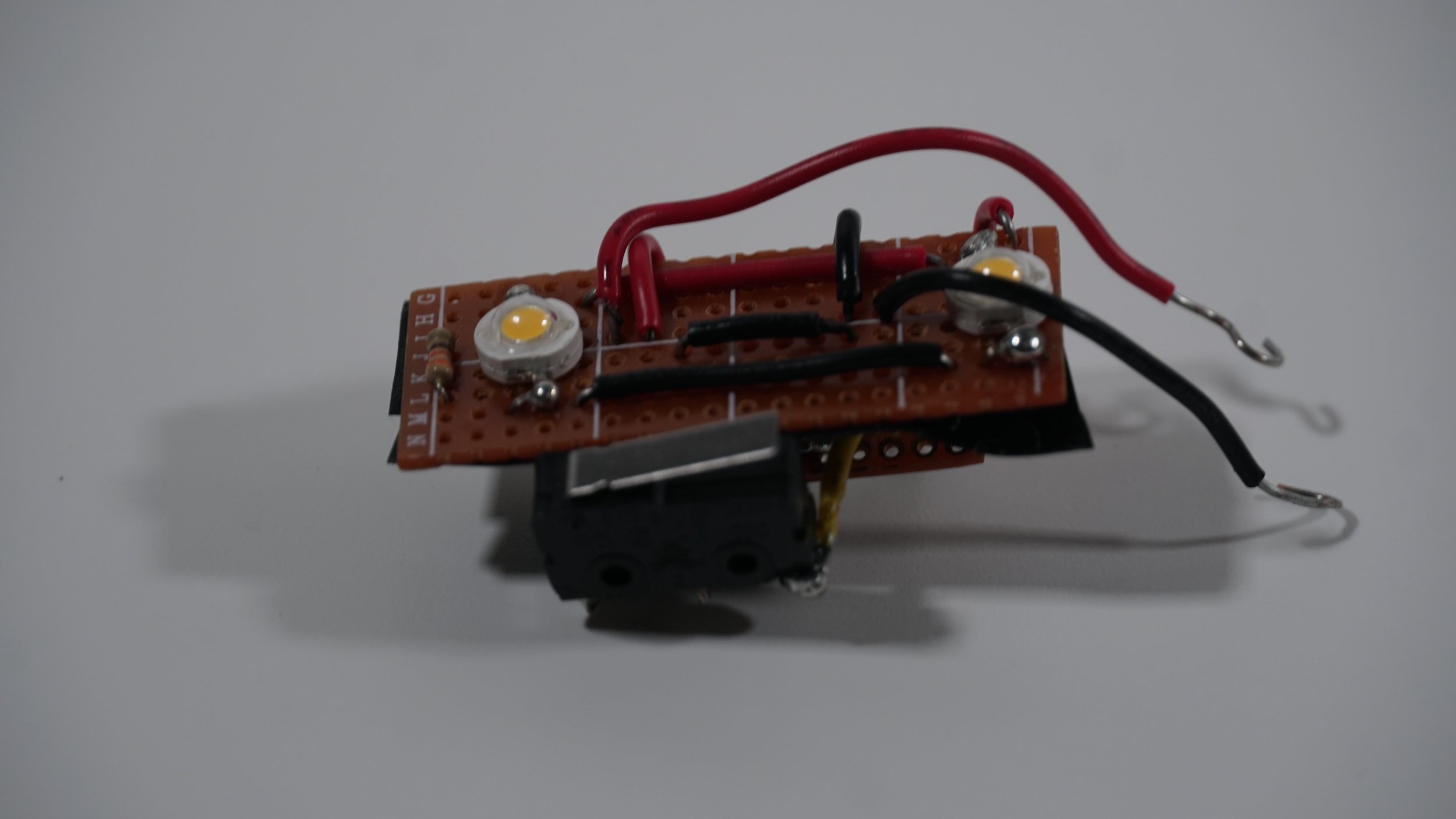
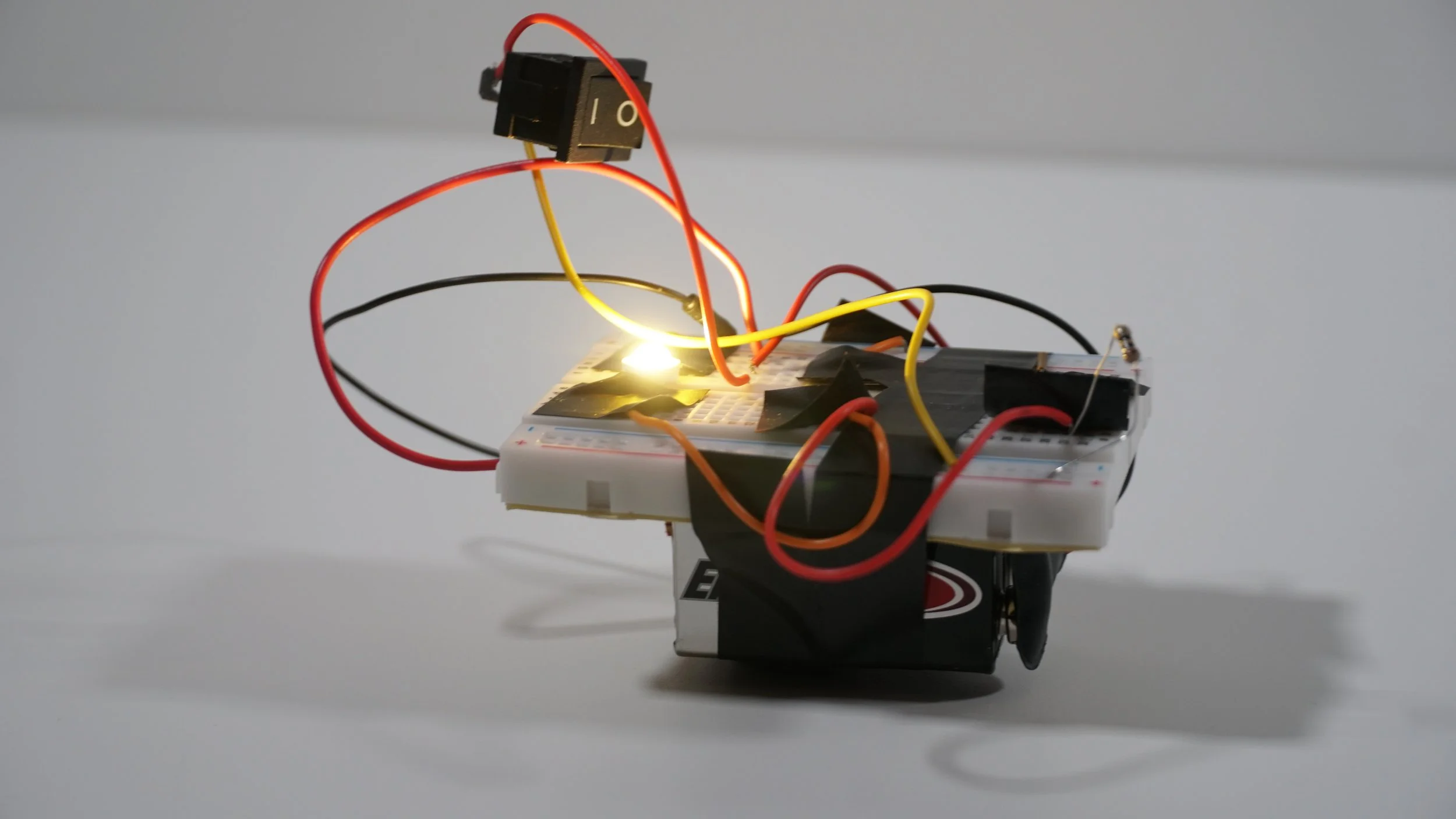
The earliest versions of the lightbox explored the idea of a magnetized light running off of onboard replaceable batteries.
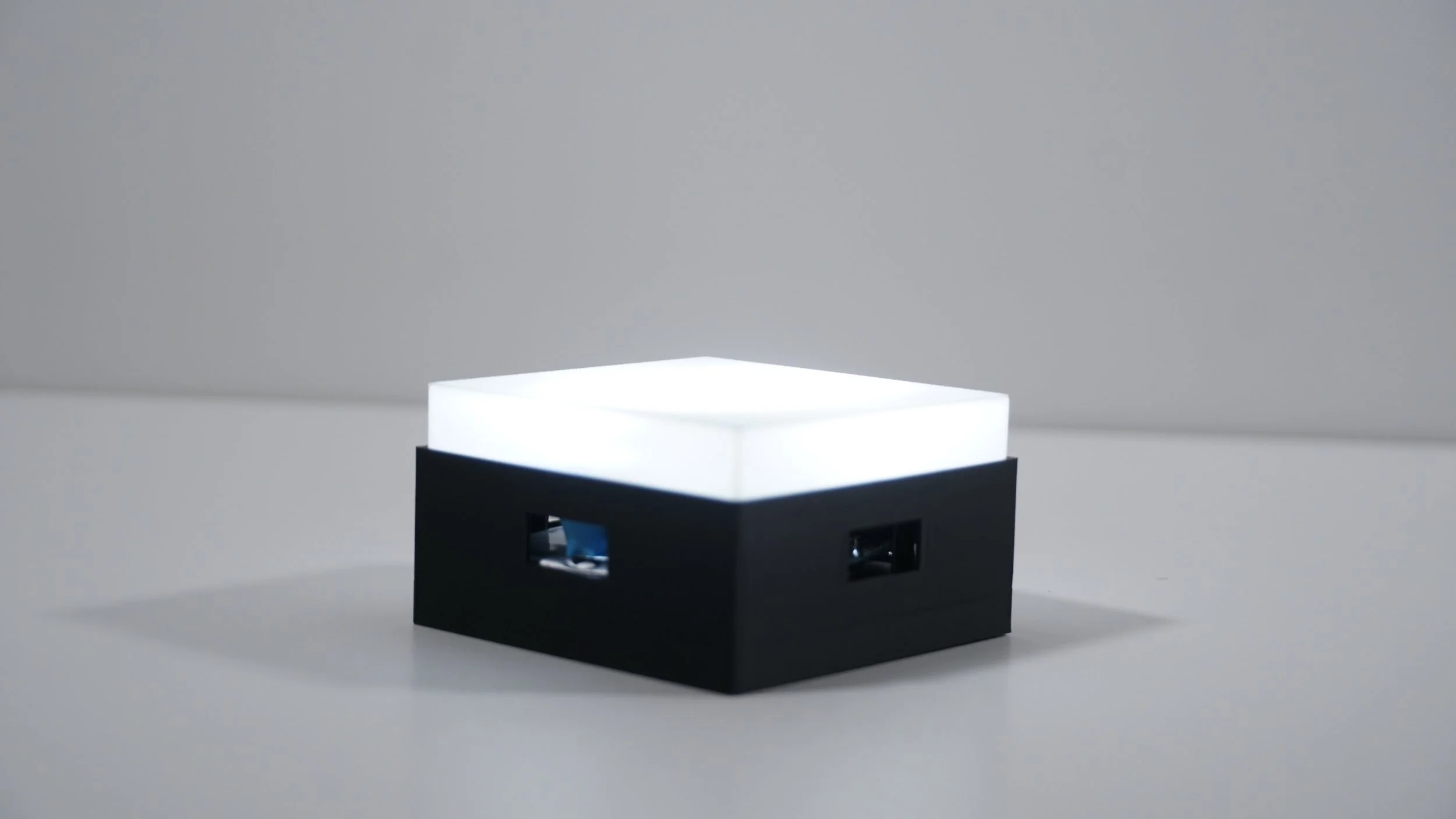
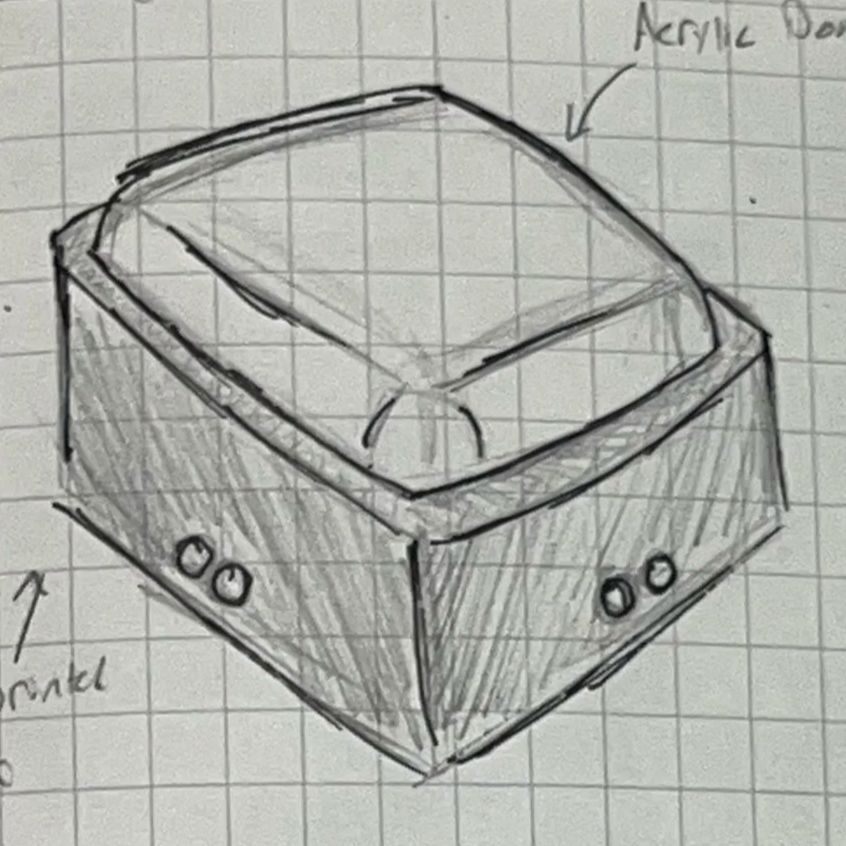
In order to achieve the desired ‘click’ a limit switch was used alongside a latching circuit soldered to a protoboard so that one click would lock on and a second would lock off. This circuit would then be placed in a cleaner 3D printed housing with pen springs supplying the resolving force.
A Major Upgrade
Going from the proof of concept to a more developed product there were a few things to fully flesh out.
The main focuses were replacing the latching circuit with a method that doesn’t drain battery while offline, creating a method to connect boxes, and improving the push-spring mechanism.
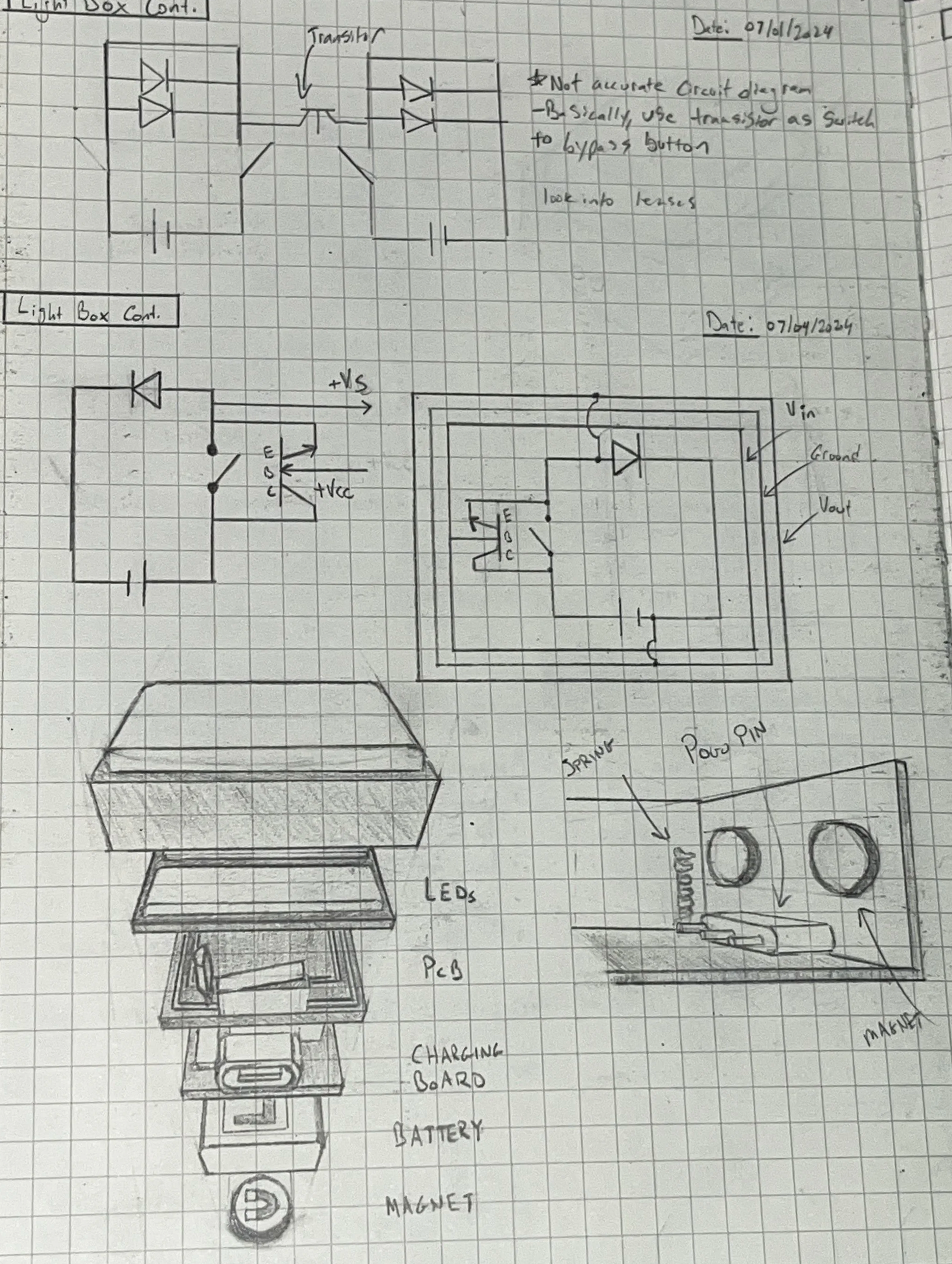
Learning about Pogo Pins
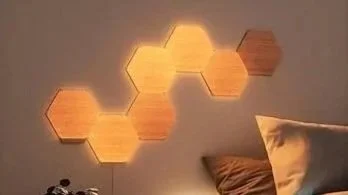
Researching nano leaf lights and modular LED screens, I found that many customizable electronic devices utilize pogo pins.
Using pogo pins that have a ground pin, outward signal and incoming signal, it is possible to have both boxes sync.
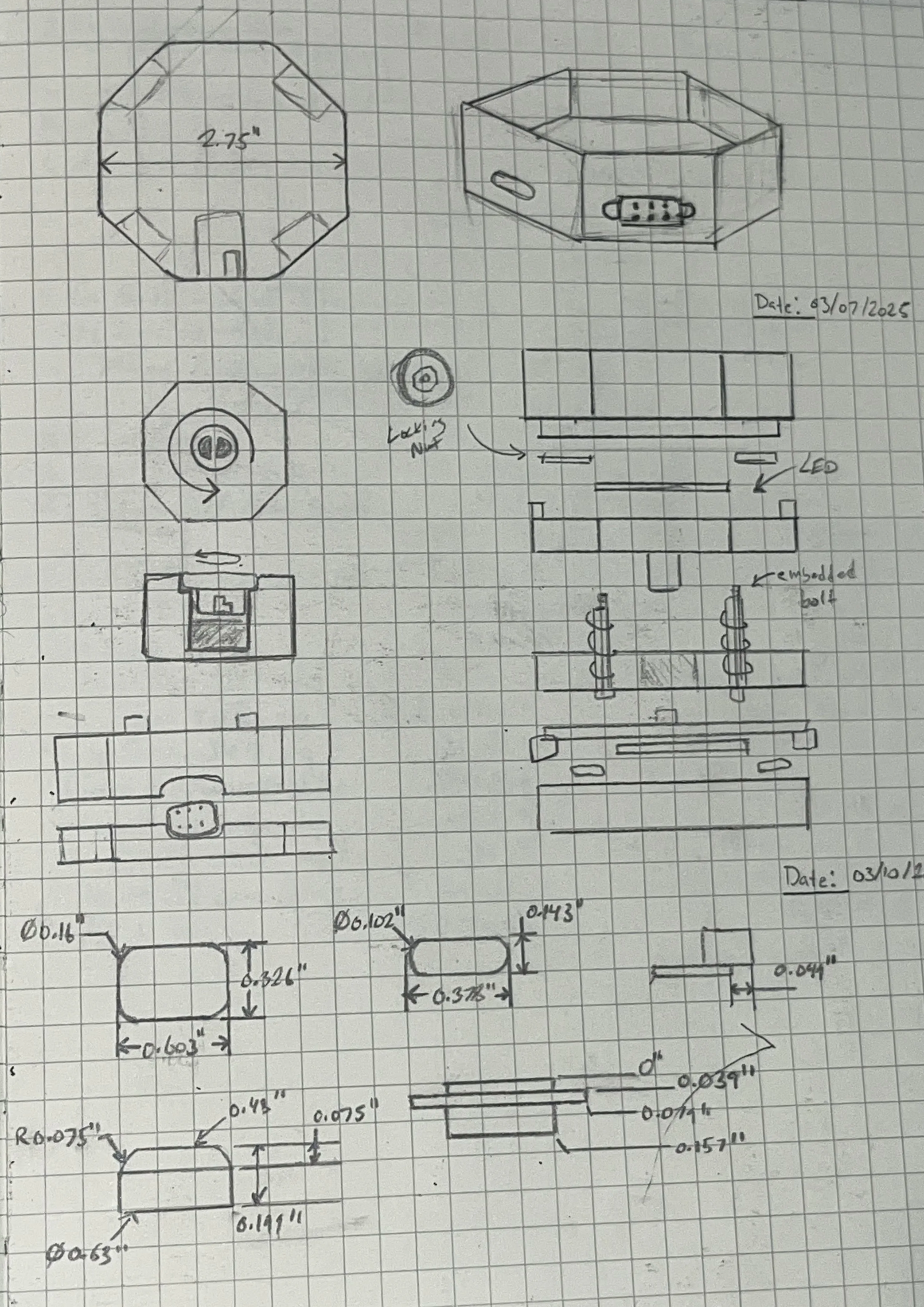
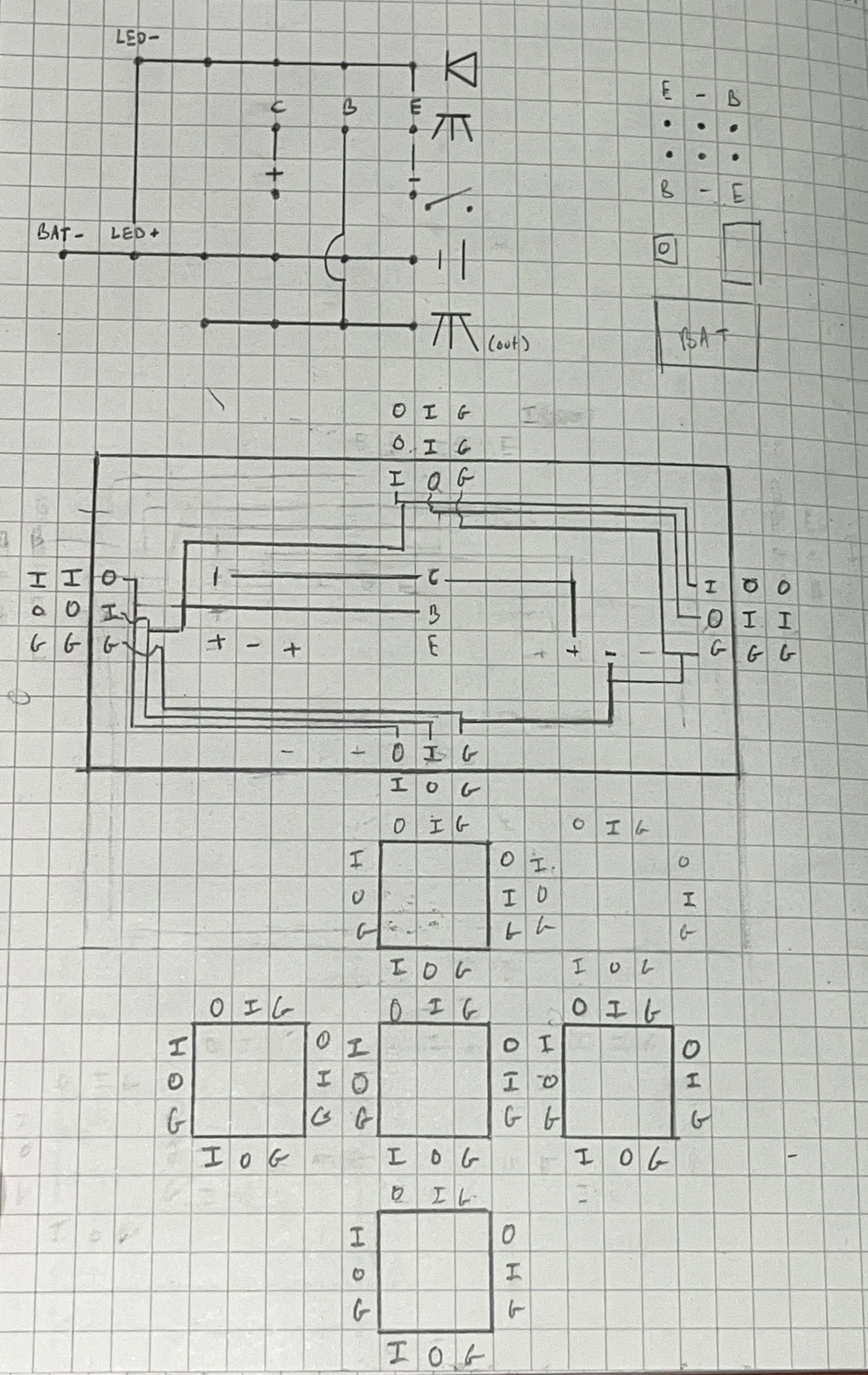
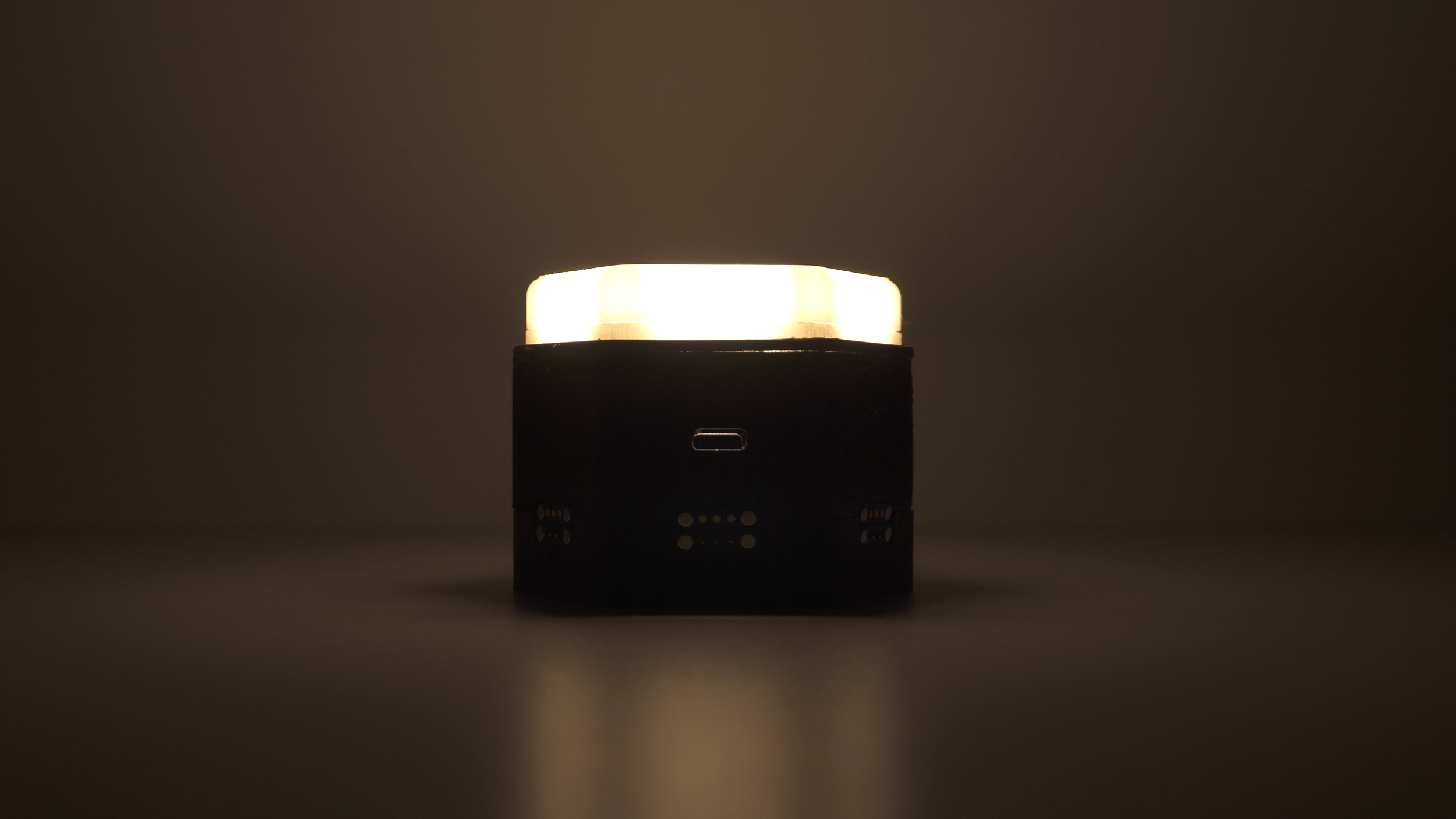

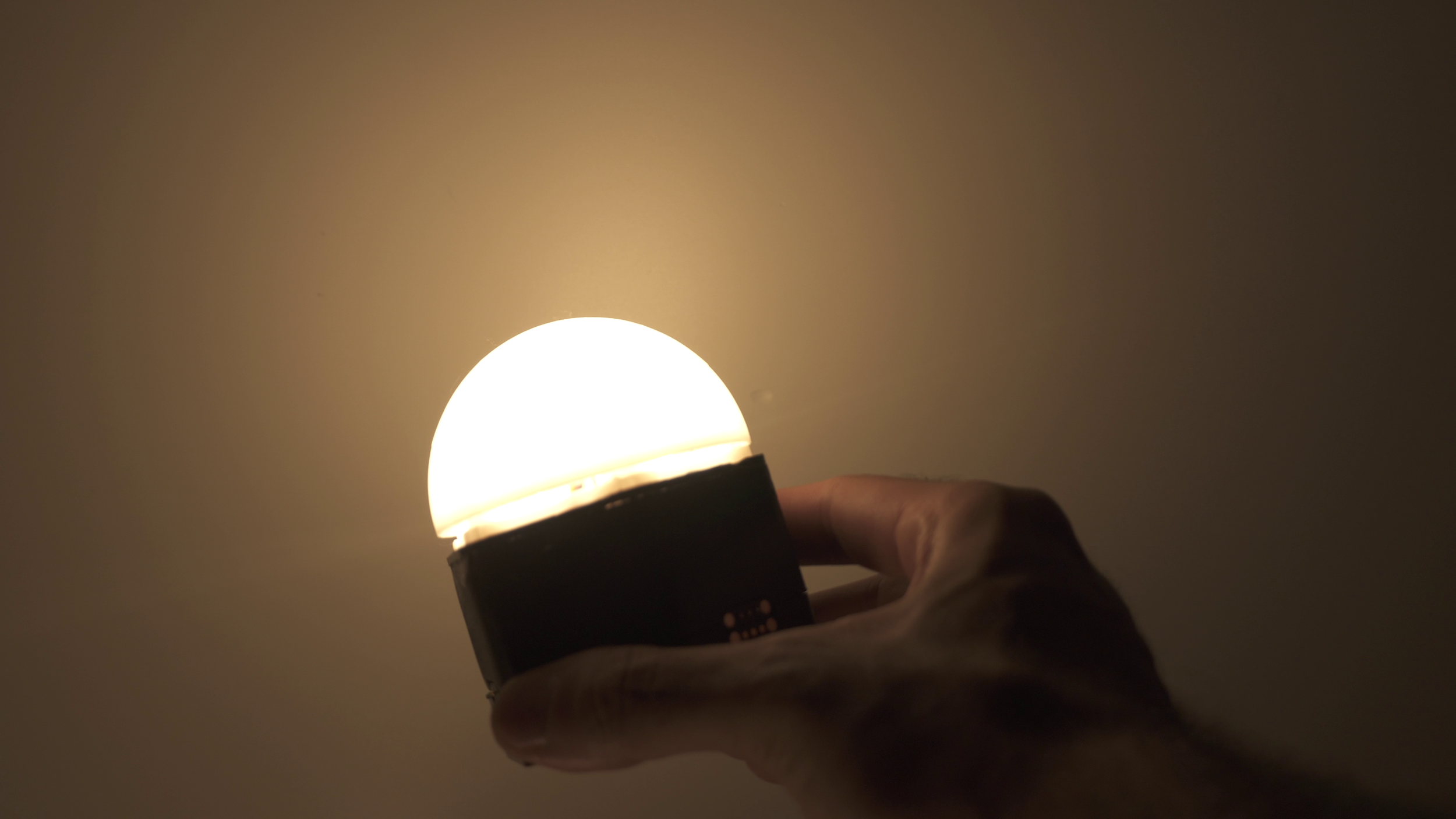
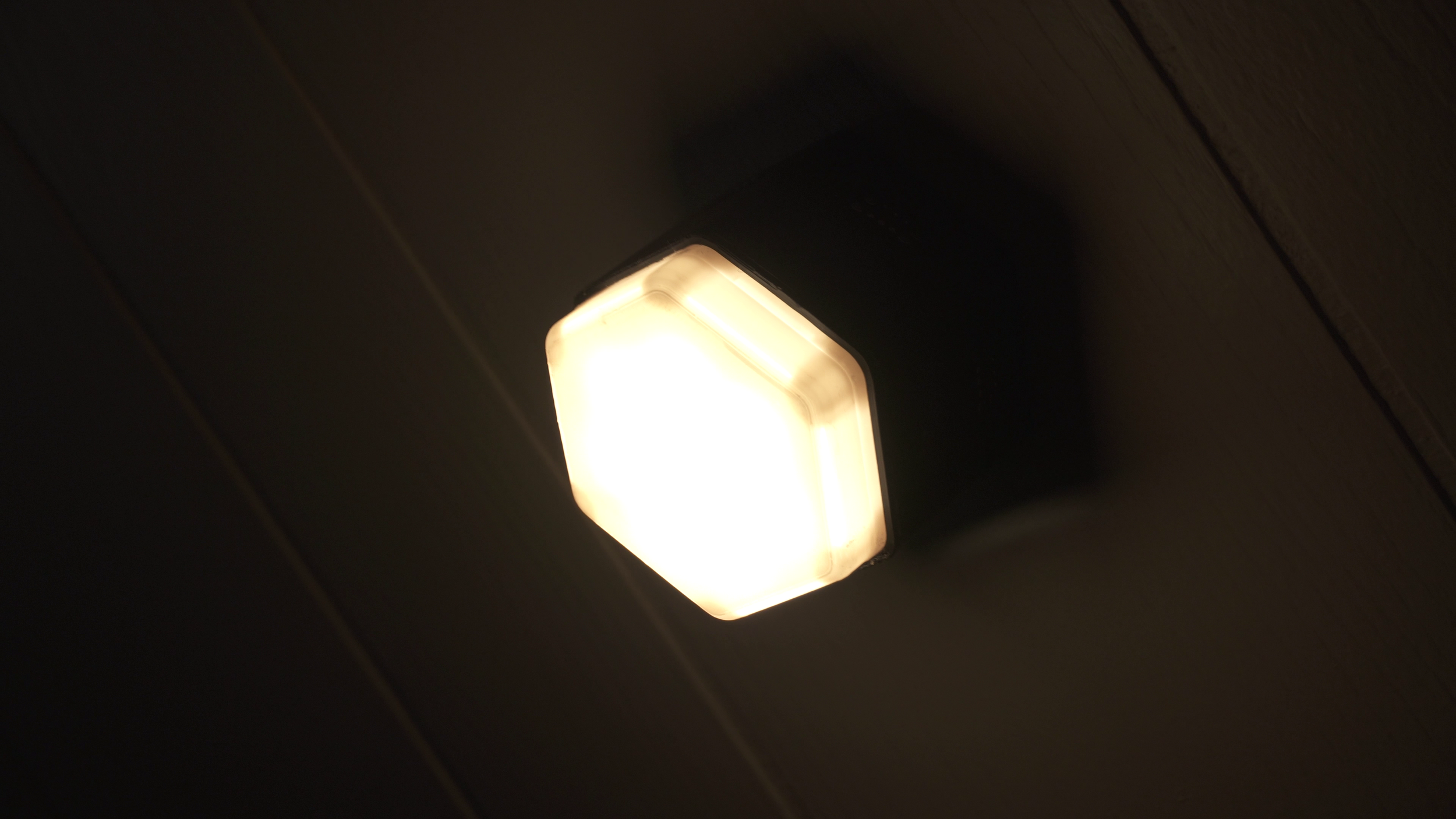
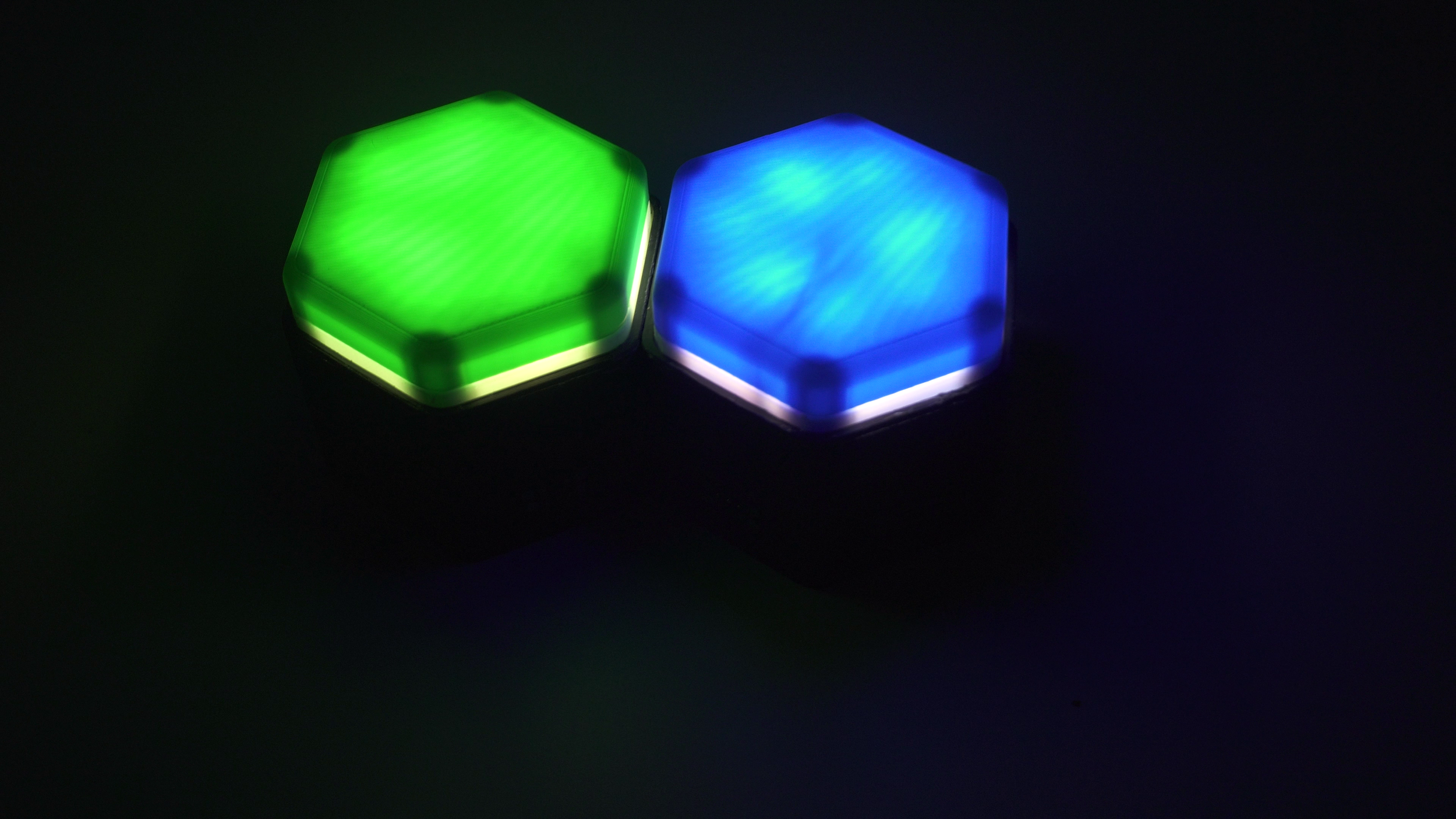
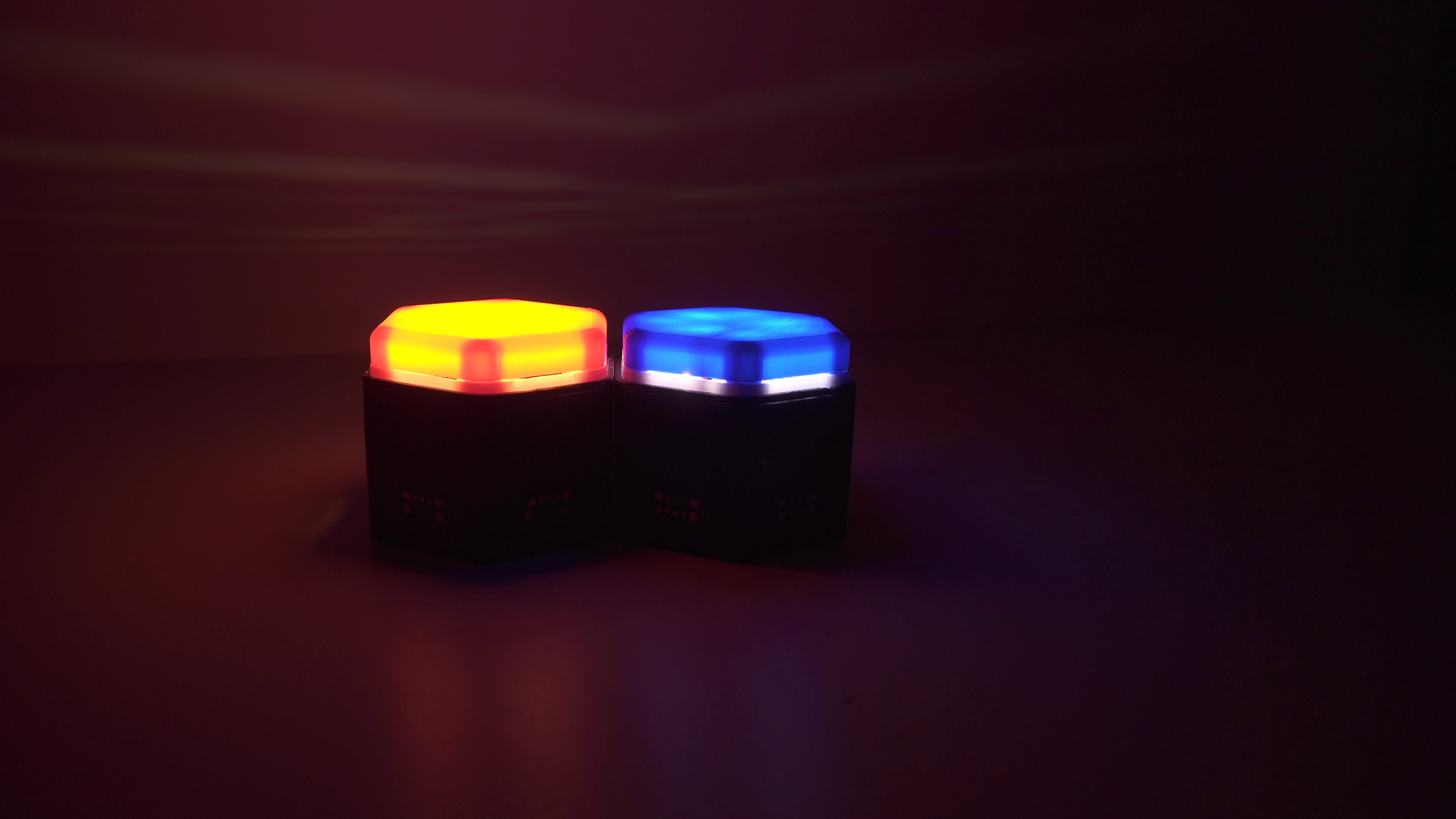
The most recent lightbox version is a lithium ion battery charged box with 6 contact points allowing for boxes to be connected as an array. Each box is powered using it’s own battery however, each can respond to the on/off signal from the connected box. Created a custom PCB to route traces for each pogo pin connection as well as connecting the LED to the battery, switch and USB-C charging module.
I want to implement ESP wireless connection for each lightbox for the next iteration as well as multi-color control.